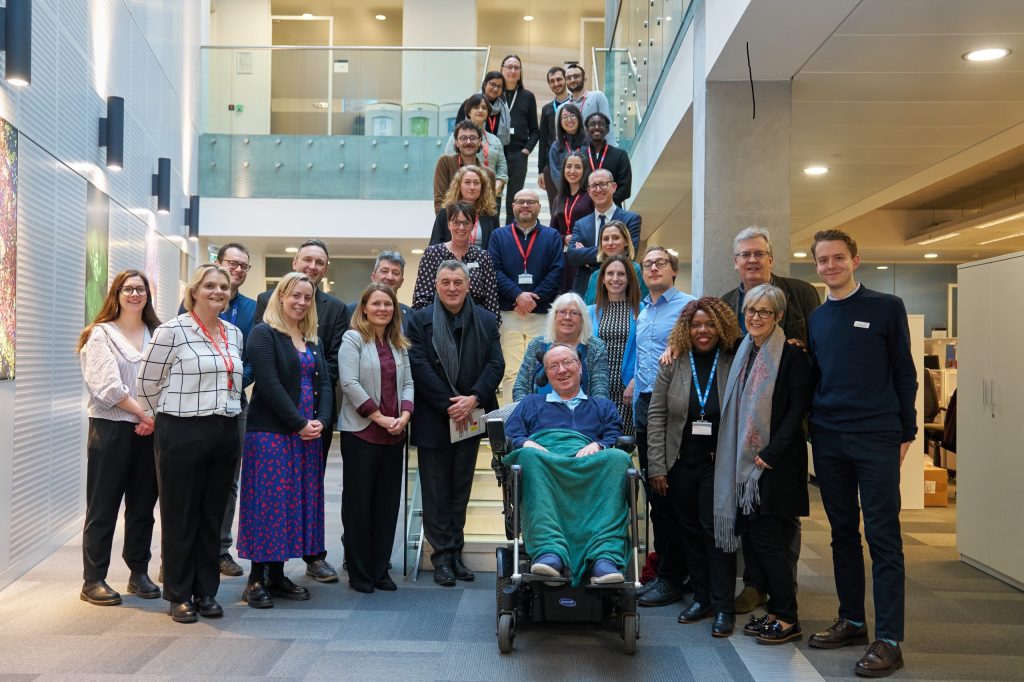
Please see below news items from Kei Cho, Philippe Gosset, James Bashford, Hamish Crerar, UK Motor Neuron Disease Research Institute, and the Deb Pal, Jemeen Sreedharan and Sandrine Thuret lab groups.
News from Kei Cho
As The New Year Honours List for 2026 has been released, we were thrilled to learn that Kei Cho, our very own Professor of Neuroscience at BCN, has been made a Member of the Order of the British Empire (MBE) for services to UK/Korea Relations in the areas of Science and Health.
https://www.kcl.ac.uk/news/new-years-honours-for-ioppn-scientists
Pal Lab News
The Deb Pal lab group are excited to share that the results of CASTLE Sleep-e trial are now published, along with our news story, videos, and social media posts that you can share.
Led by King’s College London, the trial evaluated COSI, an online, parent-directed, behavioural sleep app designed for families of children with epilepsy. The findings show that children using the app fell asleep earlier on average, parents reported improved sleep knowledge, while also highlighting key learning around digital engagement.
Explore and share the coverage:
Trial paper (Scientific Reports): Read here.
KCL news story: Read here.
LinkedIn: View post.
Facebook: Watch here.
Instagram: See reel.
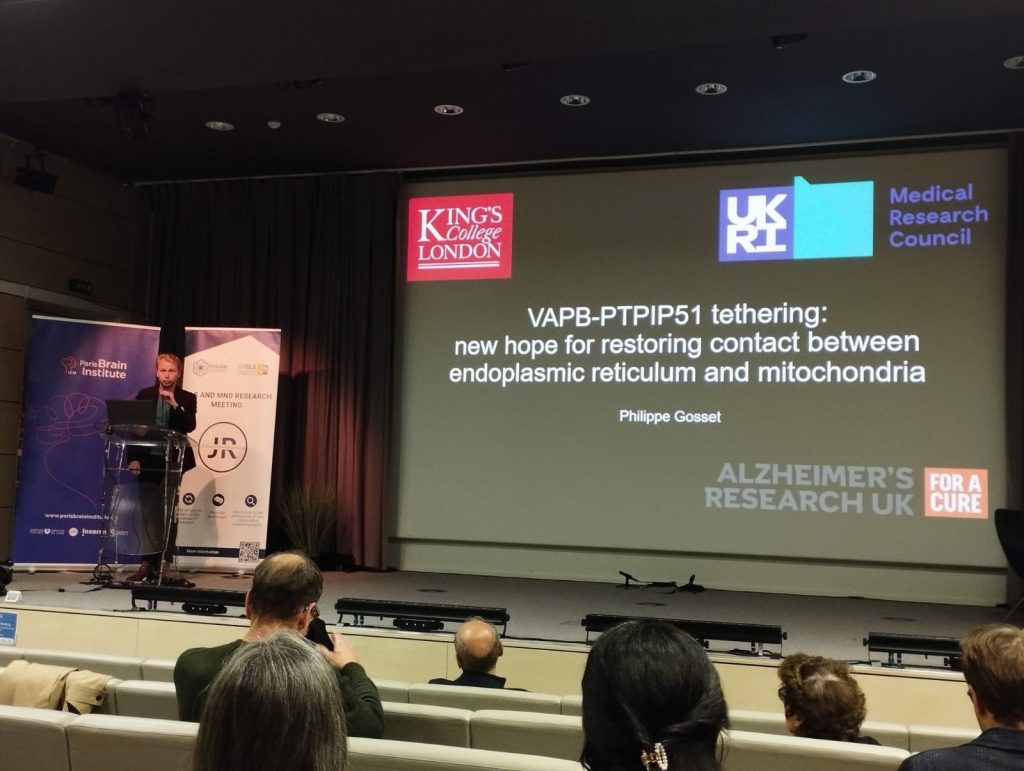
News from Philippe Gosset
During the Research Days on ALS and Motor Neuron Diseases (JR11) in Paris, the ARSLA Young Researchers Award was presented to Philippe Gosset for his work entitled ‘Discovery of a pharmaceutical compound that restores contact between the endoplasmic reticulum and the mitochondria’.
ARSLA supports the next generation of scientists by rewarding young researchers engaged in ALS research.
This award highlights the excellence, innovation and commitment of young scientists who are contributing to the future of research.
News from James Bashford
Watch Dr James Bashford’s interview about the Nature-health connection: https://tinyurl.com/IoPPN-interview
James talks about the natural world’s positive impact on the brain and body. And he emphasises the negative effects of a disconnect from Nature, as is commonly seen in our modern lives. This accompanies his newly published book Nature Within.
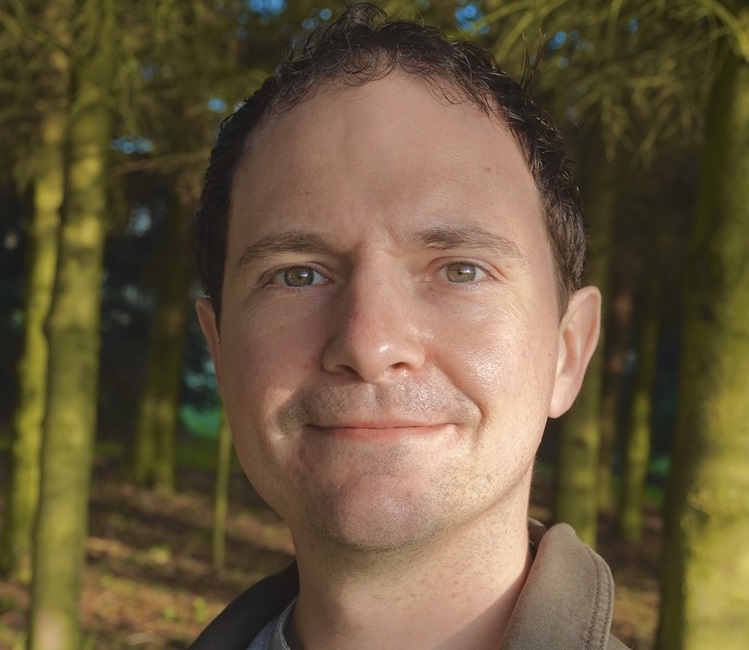
News from the Sreedharan Lab
Ravindra Prajapati and Jemeen Sreedharan have a new paper out as collaborators on a project with Robert Kalb, published in Nature Communications: https://pubmed.ncbi.nlm.nih.gov/41545357/
This shows that Reduction of RAD23A extends lifespan and mitigates pathology in a mouse model of TDP-43 proteinopathy
The Sreedharan lab has also had another paper published in Molecular Neurobiology with Matthew White and Leon Crowley as first authors https://pubmed.ncbi.nlm.nih.gov/41546756/
Inhibiting Glycogen Synthase Kinase 3 Suppresses TDP-43-Mediated Neurotoxicity in a Caspase-Dependent Manner
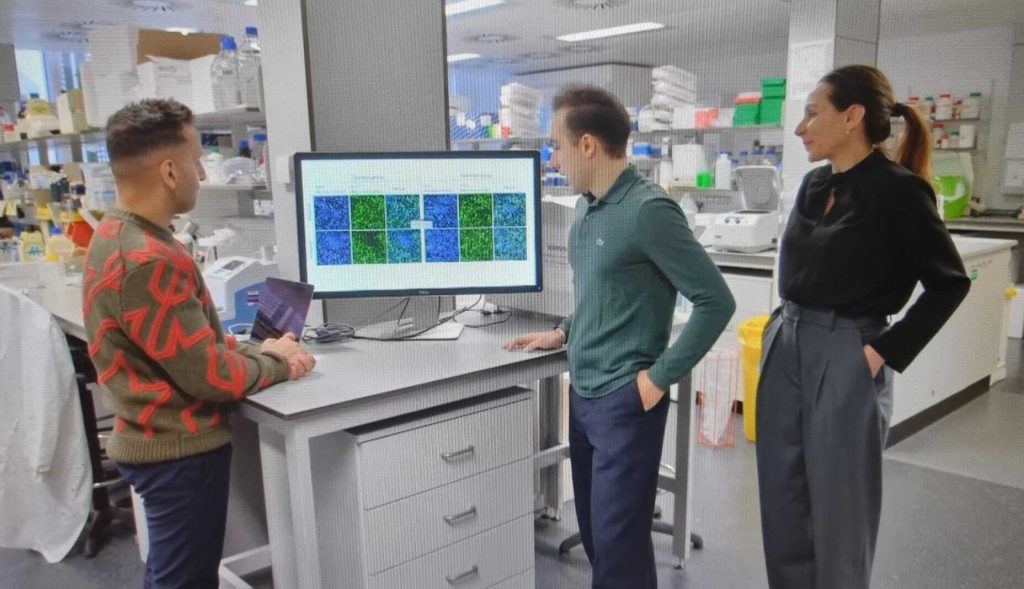
News from The Sandrine Thuret lab
January 2026: Sandrine and Sahand were featured on Channel 5’s How to Keep Your Brain Young, hosted by Dr Amir Khan. Sandrine discussed how diet and specific foods may influence neurogenesis and brain health, while Sahand described results showing that blood collected from participants after exercise can influence human hippocampal stem cells, highlighting the biological impact of lifestyle factors on brain ageing. Watch clip on instagram here. Watch full episode on Channel 5 here.
Hamish Crerar news
Hamish Crerar was awarded an MNDA non clinical senior fellowship at the end of last year.
It is a 4 year award and will focus on understanding how mislocalisation of ALS-linked RBPs, including FUS, SFPQ and TDP-43, disrupts transcriptional regulation and RNA processing in iPSC motor neurons. I will examine how mislocalised RNAs and depleted nuclear RBP complexes reshape transcriptional programmes, alongside investigating dysregulation of the Tau gene MAPT, and its contribution to motor neuron vulnerability.
UK Motor Neuron Disease Research Institute News
The UK Motor Neuron Disease Research Institute has completed its first phase of funding and is celebrating its biggest achievements in the three years since its launch. The institute is a national network of MND centres working together to understand how and why MND happens, what might work as a treatment, and test possible treatments in clinical trials. Based at King’s College London, they are uniting researchers across the country to conduct world-leading MND research in a coordinated effort to accelerate the search for a cure. You can read their latest blog and learn about their achievements so far here. https://ukmndri.org/2025/12/17/uk-mnd-ri-three-years-progress/